
Roof Repair Point Breeze Pittsburgh
Expert roof repair Point Breeze Pittsburgh for architect-designed custom homes on subdivided Gilded Age estate lots. Serving ZIP 15208 near Frick Park.
Speak directly with a Pittsburgh roofer now. Flat written quotes, zero high-pressure sales.
📞 Call (412) 850-1898Roof repair in Point Breeze, Pittsburgh covers one of the most architecturally varied neighborhoods in the city. Bordering Frick Park in ZIP 15208, Point Breeze was never a single planned community — it evolved across nearly a century as Gilded Age estate land was subdivided into individual lots and sold off. The result is streets where a brick Tudor Revival from the 1920s stands beside a custom mid-century home from the 1950s, both built on parcels that once belonged to the same original estate. That history matters when roof repairs need to match materials and architectural details specific to each home.
Roofing Services We Provide in Point Breeze
From custom architectural repairs to full replacements, our Point Breeze crews handle homes across every era on the block:
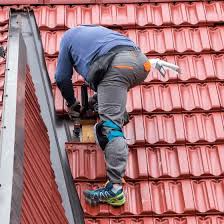
Roof Leak Repair
Tracing active leaks at complex ridge junctions, bay roofs, and custom dormer flashings on architect-designed Point Breeze homes.
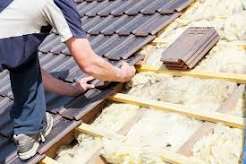
Shingle Repair & Replacement
Matching original shingle profiles on Tudor Revival and Colonial Revival homes — not just substituting the nearest stock product.
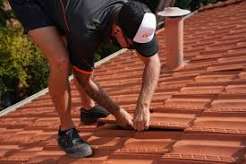
Flashing Repair
Resealing custom wall-to-roof flashing junctions on bay extensions and multi-gable architect-designed rooflines throughout 15208.
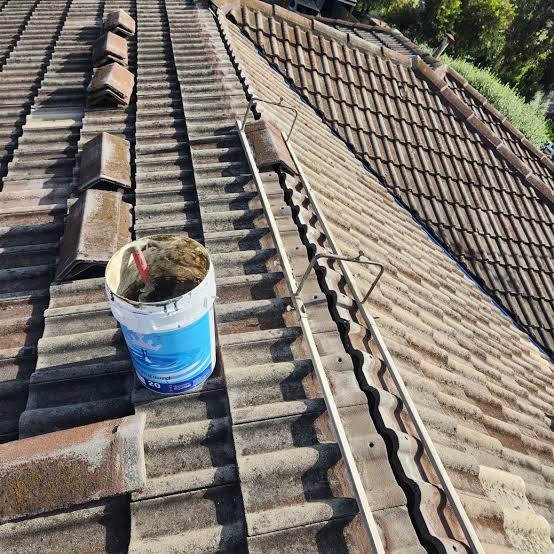
Storm Damage Repair
Repairing wind-lifted architectural shingles and branch damage on large-lot properties along the Frick Park perimeter.
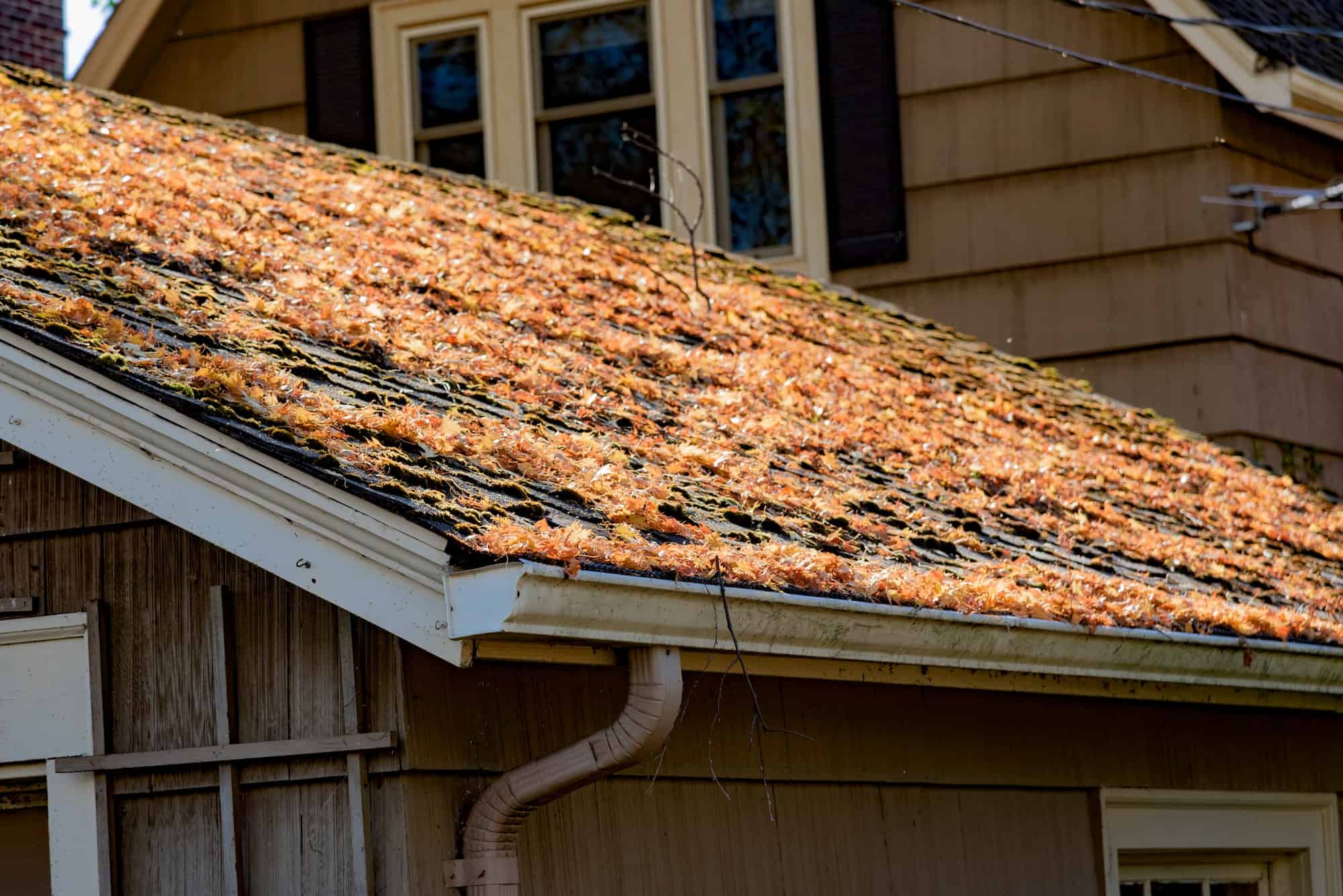
Gutter Repair
Re-sloping oversized K-style and half-round gutters on generous-lot estate-parcel homes near Homewood Cemetery and Mellon Park.
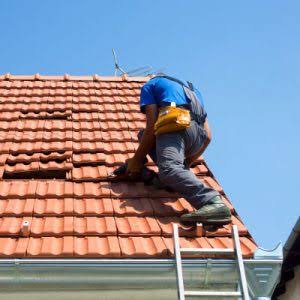
Roof Inspection
21-point photo assessments covering every ridge, valley, dormer flashing, and eave detail on custom Point Breeze rooflines.
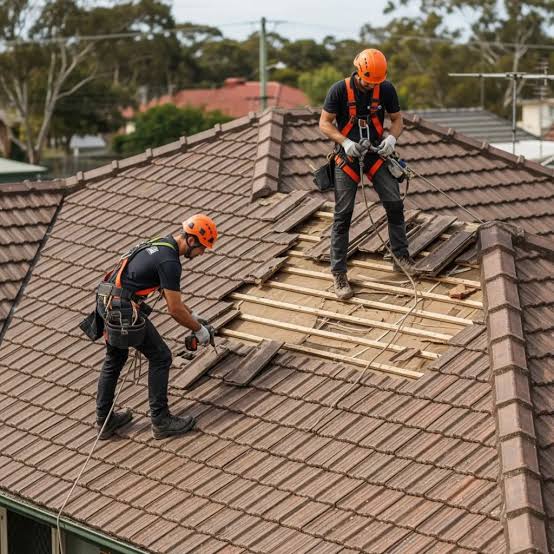
Emergency Roof Repair
24/7 dispatch for active leaks, storm-split ridges, and downed branch punctures on large custom rooflines in 15208.
Chimney & Skylight Repair
Resealing brick chimney saddles and counter-flashing on multi-flue Tudor Revival and Colonial Revival stacks in Point Breeze.
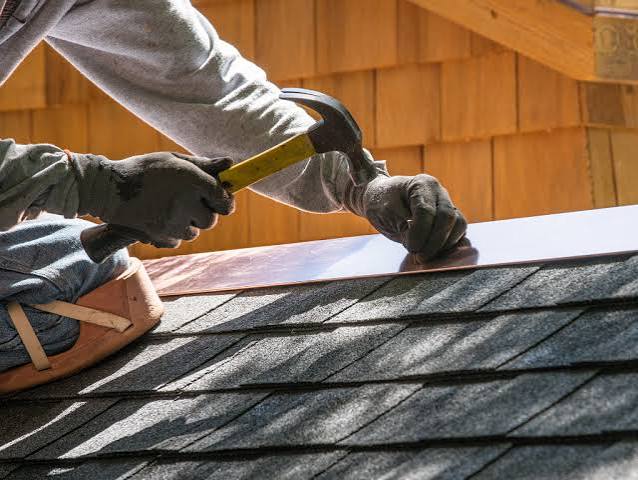
Roof Installation
Full shingle system installations on large architect-designed rooflines, with profile and color matched to the home's original design era.
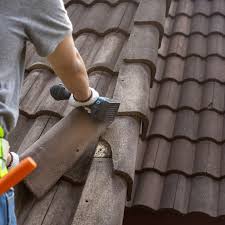
Roof Replacement
Complete tear-off and replacement on custom Point Breeze rooflines — built to match the home's original architectural details, not a generic standard.
Point Breeze: Gilded Age Estate Land, Subdivided Over Decades
Point Breeze, in ZIP 15208 along Pittsburgh's East End, has one of the more unusual development histories in the city. The neighborhood occupies land that was once held as large private estates by some of Pittsburgh's best-known industrial families — Frick, Heinz, Mellon, Westinghouse. During the Gilded Age, these were genuine large-scale properties with formal grounds and mansion homes.
Starting around 1908, those estates began to be subdivided into individual lots and sold off. That process happened gradually over the following decades, not all at once. New homes were built on each parcel as it sold — designed by architects working in whatever style was current at the time of construction. A lot purchased in 1918 might have a brick Tudor Revival. A neighboring lot sold in 1955 might have a flat-roofed mid-century modern. The estates became the neighborhood piecemeal, which is why the architectural range on a single block in Point Breeze can be genuinely wide.
Today, Point Breeze borders Frick Park to the east and the Frick Art Museum to the north on Penn Avenue. Property values run high, reflecting the generous lot sizes and custom-built character of the housing stock — but the neighborhood is not, and largely never was, a neighborhood of surviving mansion estates. The homes are architect-designed, well-built, and distinctly individual. That individuality is what makes roofing here different from a standard job.
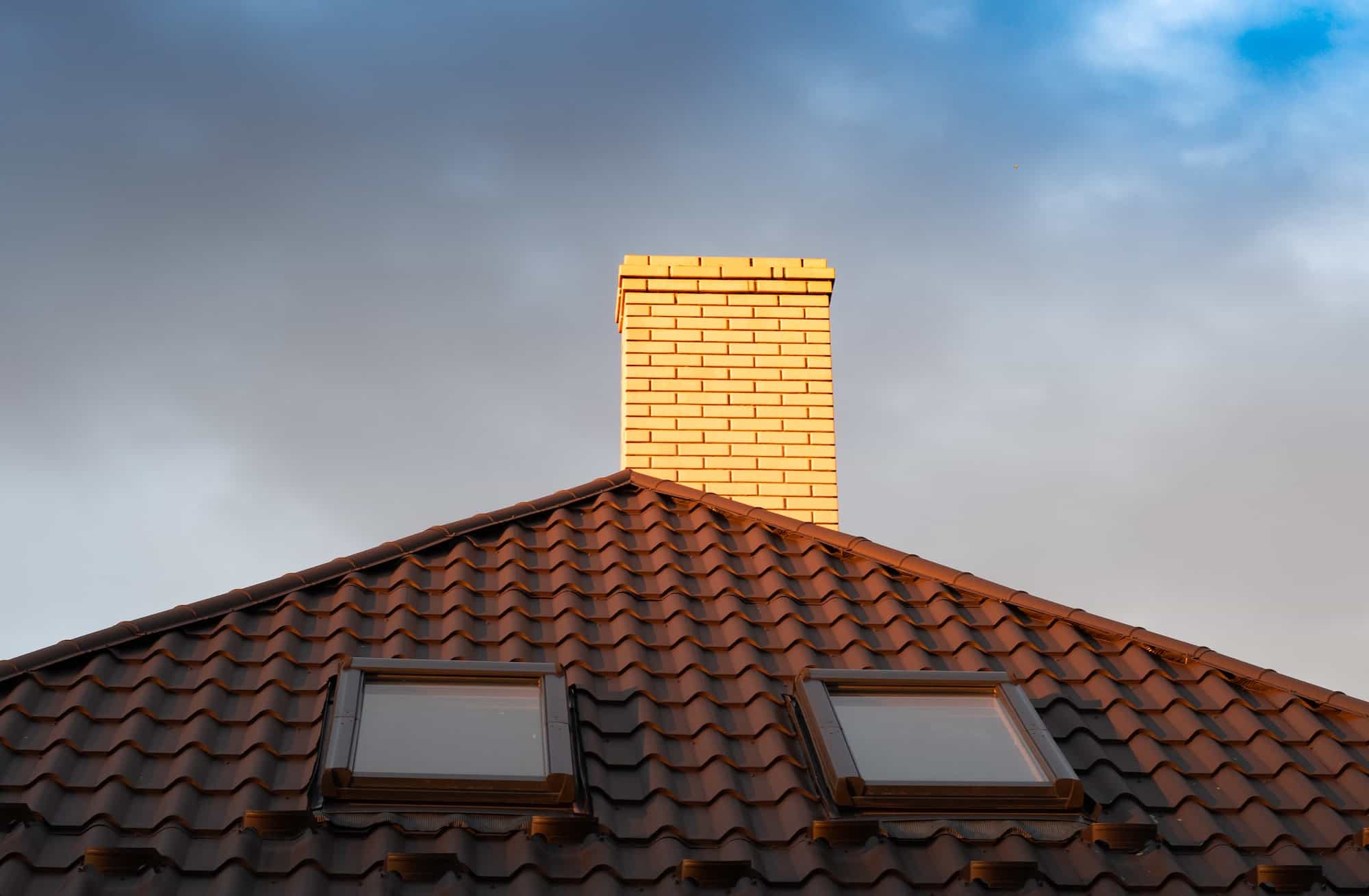
Custom rooflines on large estate parcels near Frick Park in ZIP 15208.
Custom Homes Need Custom Roof Work
On a mass-produced postwar ranch, a roof repair is reasonably straightforward — the materials are standard, the geometry is predictable, and finding a matching shingle tab isn't difficult. On an architect-designed home, that straightforwardness goes away quickly.
A Tudor Revival from 1924 may have a steeply pitched gable with decorative barge boards, copper step flashing at a wall-to-roof junction, and a ridge profile that doesn't match anything available off the shelf today. A 1952 mid-century modern nearby may have a low-slope roof section with a wide eave overhang and a parapet wall, which needs a completely different flashing approach than any steep-slope home.
When we inspect a Point Breeze roof, the first task is understanding what it actually is — what the original architect intended, what materials were used, and where the specific vulnerability points are for that particular roofline. Only then does the repair scope make sense.
This isn't about charging more for the neighborhood. A small flashing reseal on a complex roofline costs what it costs because it requires the right materials and careful fitting, not because of the ZIP code. We keep estimates flat and written before any work begins.
Why Your Block Has Homes From Three Different Eras
If you've walked a block in Point Breeze and noticed that the houses look like they were built in entirely different decades — because some of them were. The estate-subdivision timeline was spread over roughly fifty years, which means your block may have homes built in the 1910s, 1930s, and 1950s all standing next to each other on parcels that were once a single large property.
Architecturally, that means a brick Tudor Revival with clay tile accents (built when that style was fashionable), a more restrained Colonial Revival in painted clapboard (built a decade later when tastes had shifted), and a low-slung mid-century modern with a nearly flat roofline (built when modernism was the aspiration). Each reflects the era in which that specific parcel was sold and built.
For roofing, this matters practically. The Tudor Revival's steeply pitched gable handles water runoff through slope; the mid-century modern's low-slope section handles it through sealed membrane and wide overhangs. Applying steep-slope shingle logic to a low-slope section, or vice versa, is a mistake that creates problems quickly.
We assess each home individually rather than applying a neighborhood-wide assumption about what's there. The architectural mix in Point Breeze makes that individual assessment genuinely necessary.
Point Breeze's Mansion Era: What's Actually Still There
Point Breeze's reputation is tied to its Gilded Age past, and that reputation often leads people to assume the neighborhood is still full of surviving mansion estates. The honest answer is that it mostly isn't.
Clayton — the Frick family home on Penn Avenue, now preserved as a museum — is the one intact surviving example of the original estate homes. It's genuinely worth seeing, and it gives a real picture of what scale and style those original properties had. But Clayton is the exception, not the pattern.
Most of the other historic estates were demolished or significantly modified as the lots were sold off over the twentieth century. The homes that exist in Point Breeze today are primarily the architect-designed custom houses built on those subdivided parcels — well-built, individual, and often substantial — but not the original Gilded Age mansions themselves. The neighborhood earned its character from that long building history, not from preserved estates.
Understanding this is relevant to roofing because it sets accurate expectations. Most Point Breeze homeowners are dealing with a custom-built home from somewhere between 1910 and 1965, not a preserved historic mansion. The roof challenges are those of an older, architect-designed custom home — matching original materials, managing complex ridgelines, and understanding how the original design intended to shed water — rather than anything requiring historic preservation treatment.
Four Signs Your Point Breeze Roof Needs Attention
Watch for these indicators on custom architect-designed rooflines in 15208:
1. Wear at Custom Architectural Details
Missing or lifting shingles at dormers, bay roofs, or decorative ridge transitions that differ from a standard gable.
2. Flat or Low-Slope Section Issues
Bubbling or cracking on low-slope sections of mid-century modern homes, where membrane integrity matters more than shingle overlap.
3. Granule Loss on Aging Architectural Shingles
Heavy granule deposits in gutters or bare shingle cores visible from ground level, indicating age-related shingle fatigue.
4. Flashing Gaps at Custom Wall-to-Roof Junctions
Separated or rusted flashing where a bay extension or wing addition meets the main roof — common on homes with non-standard roofline geometry.
Understanding Point Breeze Roof Repair Costs
Repairs on custom architect-designed rooflines in Point Breeze cost more when the scope requires matching original architectural material profiles, working around non-standard ridge geometries, or resealing complex flashing junctions at bay or dormer additions. That additional time is real and is reflected in the estimate — not inflated for the neighborhood.
Straightforward repairs on standard gable sections cost the same here as anywhere else in Pittsburgh. Confirm actual figures with us directly — the range below reflects typical Point Breeze scope, but custom homes vary. Read more in our guides on 21-point roof inspections and complex flashing repairs.
Custom Roofline Repair Range
- Standard Shingle Tab & Flashing Repair ($500 – $750)
- Custom Dormer or Bay Flashing Reseal ($750 – $1,100)
- Complex Multi-Ridge or Low-Slope Section ($1,100 – $1,800)
- Comprehensive 21-Point Photo Inspection ($199)
- Written flat estimate before any work begins
Related Roofing Services in Point Breeze
The three most frequently requested services for homes in 15208:
Roof Inspection
21-point photo assessments covering every ridge, valley, dormer flashing, and low-slope section on custom Point Breeze rooflines.
Flashing Repair
Resealing custom wall-to-roof junctions, bay flashing, and dormer step flashing on architect-designed homes throughout 15208.
Roof Replacement
Full tear-off and replacement on custom Point Breeze rooflines — material profiles matched to the home's original architectural design era.
Frequently Asked Questions About Point Breeze Roof Repair
My house has a genuinely custom roofline — dormers, bays, a complex ridgeline. Will standard repair methods even work here?
My neighbor's house looks completely different from mine, and we're both told we're on old estate land. Is that normal for Point Breeze?
Is Point Breeze actually full of surviving mansions, or is that more of a reputation than a reality?
I have a mid-century modern house with a flatter, more minimal roofline than my Tudor Revival neighbors. Does that change what the roof needs?
Does having a larger, more custom home mean repairs cost more?
Roof Leaking? Storm Damage? We'll Fix It This Week.
Whether you're dealing with a sudden roof leak, missing shingles after a storm, or signs of aging roofing materials, Pittsburgh Roofing Specialists is ready to help. Contact us today to schedule a professional roof inspection.